Cooking oil is one of those everyday ingredients that rarely gets much attention. It sits quietly on the kitchen counter, used without much thought, yet it plays a role in almost every meal we cook. From breakfast eggs to dinner vegetables, oil is often the starting point of home cooking.
Across the United States, many people are slowly becoming more mindful about the oils they use—not because of trends or strict rules, but because they want meals that feel lighter, cleaner, and more balanced. Choosing the right cooking oil doesn’t have to be complicated or expensive. In fact, some of the best options are already sitting in many kitchens.
This article is written in a fully human, practical tone. No technical talk, no extreme claims, and no pressure. Just a clear, everyday guide to healthy cooking oils you can actually use at home—whether you cook daily or only a few times a week.
A Simple Way to Think About Cooking Oils
Cooking oils are more than just something to stop food from sticking to the pan. They add flavor, texture, and satisfaction to meals. The key difference between oils often comes down to how they’re used and how they make food feel afterward.
Some oils feel heavy and greasy, especially when used often. Others feel lighter and cleaner, making meals easier to enjoy regularly. Over time, many people notice that switching oils can subtly change how meals feel—without changing the food itself.
A practical approach to cooking oils is:
- Use different oils for different purposes
- Choose oils that work well with simple cooking
- Avoid overusing any one oil
Balance matters more than perfection.
Why the Right Cooking Oil Matters in Everyday Meals
The oil you cook with becomes part of the meal, not just a background ingredient. When meals feel overly greasy or heavy, oil choice is often part of the reason.
People who focus on balanced eating often:
- Use oils with cleaner flavors
- Avoid deep frying most of the time
- Measure oil instead of pouring freely
These small habits help meals feel lighter and more comfortable without sacrificing taste.
Best Healthy Cooking Oils for Everyday Use
Below are cooking oils commonly found in American grocery stores that work well for regular home cooking. These oils are practical, versatile, and easy to use.
Olive Oil
Olive oil is one of the most popular choices for everyday cooking.
Why people love it:
- Mild, pleasant flavor
- Works well for light cooking
- Great for vegetables and salads
Many people use olive oil for sautéing, roasting, and drizzling over finished dishes. It fits naturally into daily cooking without much thought.
Avocado Oil
Avocado oil has gained popularity for its versatility.
People choose it because:
- It has a neutral taste
- It works well for higher-heat cooking
- It feels light in meals
It’s commonly used for stir-fries, grilling, and roasting. A little goes a long way, making it easy to control portions.
Canola Oil
Canola oil is a common pantry staple.
Why it’s widely used:
- Mild flavor
- Affordable and easy to find
- Works for baking and cooking
Many people use canola oil when they want the food’s flavor to stand out rather than the oil itself.
Sunflower Oil
Sunflower oil is often chosen for its clean taste.
It’s popular because:
- It has a light texture
- It works well for sautéing
- It blends easily into recipes
It’s commonly used in everyday cooking when a neutral oil is preferred.
Grapeseed Oil
Grapeseed oil is less talked about but often appreciated by home cooks.
People like it because:
- It has a very mild flavor
- It works well for quick cooking
- It doesn’t overpower dishes
It’s often used for light sautéing and simple pan cooking.
Coconut Oil (In Moderation)
Coconut oil has a distinct flavor that some people enjoy.
It’s commonly used:
- In baking
- For occasional cooking
- In specific recipes
Because of its strong taste, many people use coconut oil occasionally rather than daily.
Sesame Oil (As a Flavor Oil)
Sesame oil is usually used for flavor rather than full cooking.
People use it because:
- It adds depth to dishes
- A small amount is enough
- It works well in stir-fries and sauces
It’s best used as a finishing oil or in small quantities.
Oils Best Used for Cooking vs. Finishing
Not all oils are used the same way.
Good for everyday cooking:
- Olive oil
- Avocado oil
- Canola oil
- Sunflower oil
Better for flavor or finishing:
- Sesame oil
- Extra virgin olive oil (drizzle)
- Coconut oil (occasional use)
Using oils this way helps meals feel balanced and intentional.
How Much Oil Is Enough?
One of the biggest differences in how meals feel comes down to quantity.
Helpful habits include:
- Measuring oil instead of pouring
- Using non-stick cookware when possible
- Roasting instead of frying
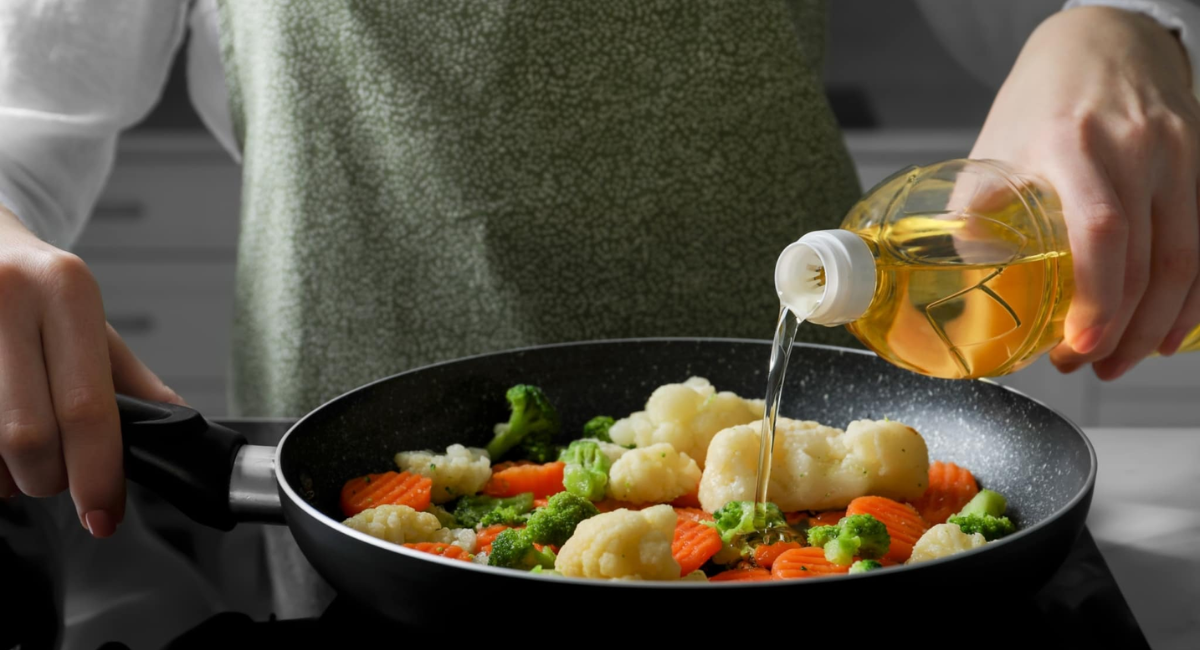
Most dishes don’t need much oil to taste good. Often, one or two teaspoons are enough.
Cooking Methods That Work Well With Healthy Oils
The way food is cooked matters just as much as the oil used.
Many people prefer:
- Baking instead of deep frying
- Roasting vegetables
- Light sautéing
- Grilling
These methods help oils enhance food rather than overpower it.
Building Balanced Meals With the Right Oils
Healthy oils work best when paired with whole foods.
A balanced meal often includes:
- Vegetables
- A source of protein
- Whole grains or fiber
- A small amount of oil
This combination keeps meals satisfying without feeling greasy.
Making Healthy Oil Choices Sustainable
The best oil is the one you’ll actually use.
Helpful tips:
- Keep one main oil for daily cooking
- Use specialty oils occasionally
- Store oils properly to keep them fresh
There’s no need to stock every oil at once. Start simple and build from there.
Common Mistakes People Make With Cooking Oils
Some habits can make meals feel heavier than intended.
Common mistakes include:
- Using too much oil
- Cooking everything in the same oil
- Using strong-flavored oils for every dish
Small adjustments can make a noticeable difference.
Final Thoughts
Choosing healthy cooking oils for everyday use doesn’t require complicated rules or expensive products. It’s about finding oils that fit naturally into your cooking style and make meals feel lighter, cleaner, and more enjoyable. Olive oil, avocado oil, canola oil, and other simple options have been used in home kitchens for years—and they continue to work well today.
Over time, small changes like using the right oil in the right amount can quietly improve how meals feel. When cooking feels simple and enjoyable, it becomes easier to eat well consistently. And that kind of balance is what truly supports everyday wellness.