
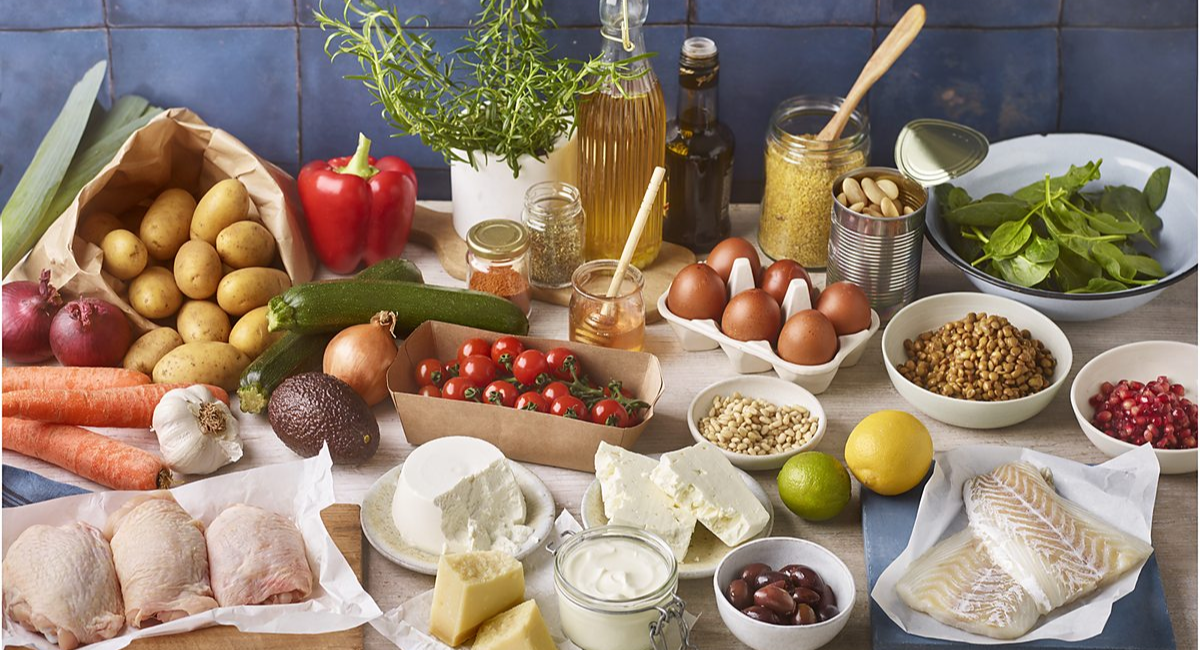
The Mediterranean diet is often described as more than just a way of eating — it’s a lifestyle built around balance, enjoyment, and simplicity. Instead of strict rules or cutting out entire food groups, this approach focuses on whole foods, fresh ingredients, and meals meant to be enjoyed slowly.
Many people are drawn to the Mediterranean style of eating because it feels realistic. There’s no pressure to eat perfectly, no complicated tracking, and no extreme restrictions. Meals are flavorful, satisfying, and easy to adapt to daily life.
This article is written in a fully human, lifestyle-blog tone. It’s designed for real people with busy schedules who want a clear, simple Mediterranean diet meal plan they can actually follow.
What the Mediterranean Diet Really Looks Like
At its core, the Mediterranean diet is inspired by traditional eating patterns from countries like Greece, Italy, and southern Spain. The focus is on fresh, minimally processed foods prepared in simple ways.
This style of eating usually includes:
- Plenty of vegetables and fruits
- Whole grains and legumes
- Olive oil as the main fat
- Fish and seafood regularly
- Moderate dairy
- Limited red meat
- Herbs and spices instead of heavy sauces
Meals are often shared, enjoyed slowly, and paired with an active lifestyle.
Why People Choose the Mediterranean Diet
The Mediterranean diet appeals to many people because it feels flexible and enjoyable.
People often like it because:
- Meals are flavorful and filling
- Ingredients are easy to find
- It doesn’t feel restrictive
- It fits social and family meals
Rather than “dieting,” it feels like building better habits.
How to Use This Mediterranean Diet Meal Plan
This meal plan is meant to be a guide, not a rulebook.
You can:
- Swap meals based on preference
- Repeat favorite dishes
- Adjust portion sizes
- Mix homemade and simple meals
The goal is consistency, not perfection.
7-Day Mediterranean Diet Meal Plan
Below is a simple and realistic weekly plan covering breakfast, lunch, dinner, and snacks.
Day 1
Breakfast:
Greek yogurt with fresh berries, honey, and chopped nuts
Lunch:
Chickpea and vegetable salad with olive oil and lemon
Dinner:
Grilled fish with roasted vegetables and whole-grain bread
Snack:
Fresh fruit or a handful of olives
Day 2
Breakfast:
Whole-grain toast with avocado and sliced tomatoes
Lunch:
Lentil soup with a side salad
Dinner:
Baked chicken with herbs, olive oil, and steamed vegetables
Snack:
Yogurt or mixed nuts
Day 3
Breakfast:
Oatmeal topped with fruit and nuts
Lunch:
Whole-grain wrap with hummus, vegetables, and feta cheese
Dinner:
Seafood pasta with olive oil, garlic, and vegetables
Snack:
Fresh fruit
Day 4
Breakfast:
Eggs cooked in olive oil with vegetables
Lunch:
Quinoa salad with cucumber, tomatoes, olives, and olive oil
Dinner:
Grilled fish with a side of sautéed greens
Snack:
A small portion of cheese and nuts
Day 5
Breakfast:
Greek yogurt with seeds and fruit
Lunch:
Vegetable and bean soup with whole-grain bread
Dinner:
Roasted chicken with potatoes and vegetables
Snack:
Fresh fruit or olives
Day 6
Breakfast:
Whole-grain toast with nut butter and fruit
Lunch:
Mediterranean-style salad with tuna, olive oil, and lemon
Dinner:
Grilled vegetables with whole grains and hummus
Snack:
Yogurt or nuts
Day 7
Breakfast:
Smoothie with fruit, yogurt, and seeds
Lunch:
Leftover grilled vegetables with grains
Dinner:
Fish or seafood with roasted vegetables
Snack:
Dark chocolate (small portion) or fruit
Foods to Keep in Your Mediterranean Pantry
Keeping the right foods at home makes this lifestyle much easier.
Common staples include:
- Olive oil
- Whole grains (rice, quinoa, oats)
- Beans and lentils
- Canned fish
- Nuts and seeds
- Herbs and spices
With these basics, meals come together quickly.
Simple Mediterranean Cooking Tips
You don’t need fancy recipes to eat this way.
Helpful tips:
- Cook with olive oil instead of butter
- Use herbs for flavor
- Grill, bake, or roast foods
- Keep meals simple
Often, fewer ingredients create better flavor.
Eating Out on a Mediterranean Diet
This lifestyle works well outside the home too.
When eating out:
- Choose grilled or baked dishes
- Add vegetables whenever possible
- Use olive oil-based dressings
- Enjoy meals slowly
It’s about balance, not restriction.
Making the Mediterranean Diet Sustainable
The biggest strength of this diet is how easy it is to maintain.
To stay consistent:
- Repeat meals you enjoy
- Don’t stress over occasional treats
- Focus on habits, not rules
- Enjoy food socially
Long-term success comes from enjoyment.
Final Thoughts
A Mediterranean diet meal plan for a healthy lifestyle doesn’t require strict tracking or complicated recipes. It’s about choosing whole foods, cooking simply, and enjoying meals as part of daily life. With fresh ingredients, olive oil, vegetables, grains, and seafood, this way of eating feels natural and satisfying.
Over time, small, consistent choices build a routine that feels balanced and enjoyable. When food is flavorful and flexible, healthy eating becomes something you look forward to — not something you struggle to maintain.