In recent years, many people across the United States have started paying closer attention to how everyday food choices affect long-term wellness. It’s no longer just about eating less or cutting things out. Instead, the focus has shifted toward eating better, choosing foods that support balance, comfort, and sustainability over time.
One topic that keeps coming up in everyday conversations is inflammation. While it’s often mentioned online, the real-life approach to it is surprisingly simple: choosing foods that feel natural, nourishing, and easy to live with. When it comes to heart-friendly living, anti-inflammatory foods fit perfectly into that picture.
This article isn’t built around trends or strict rules. It’s written for real people who shop at regular grocery stores, cook at home, eat out sometimes, and want food that supports a healthier lifestyle without feeling overwhelming.
A Simple Way to Think About Inflammation and Food
Most people don’t wake up thinking about inflammation. They think about energy levels, comfort, digestion, and how they feel throughout the day. Food plays a quiet but powerful role in all of that.
Highly processed meals, heavy sauces, and overly sweet snacks can leave the body feeling sluggish. On the other hand, meals built with whole ingredients tend to feel lighter and more satisfying. Over time, many people notice that balanced meals help them feel more steady and energized.
Anti-inflammatory foods aren’t magic foods. They’re simply foods that are closer to their natural state and easier for the body to work with.
Why Heart-Focused Eating Is About Patterns, Not Perfection
Heart health isn’t supported by one perfect meal. It’s supported by patterns repeated over time.
People who focus on heart-friendly eating often:
- Cook more meals at home
- Use simple ingredients
- Rely less on packaged foods
- Choose healthy fats instead of heavy ones
Anti-inflammatory foods naturally fit into this way of eating because they’re flexible. You can mix them into breakfast, lunch, dinner, and even snacks without changing your entire routine.
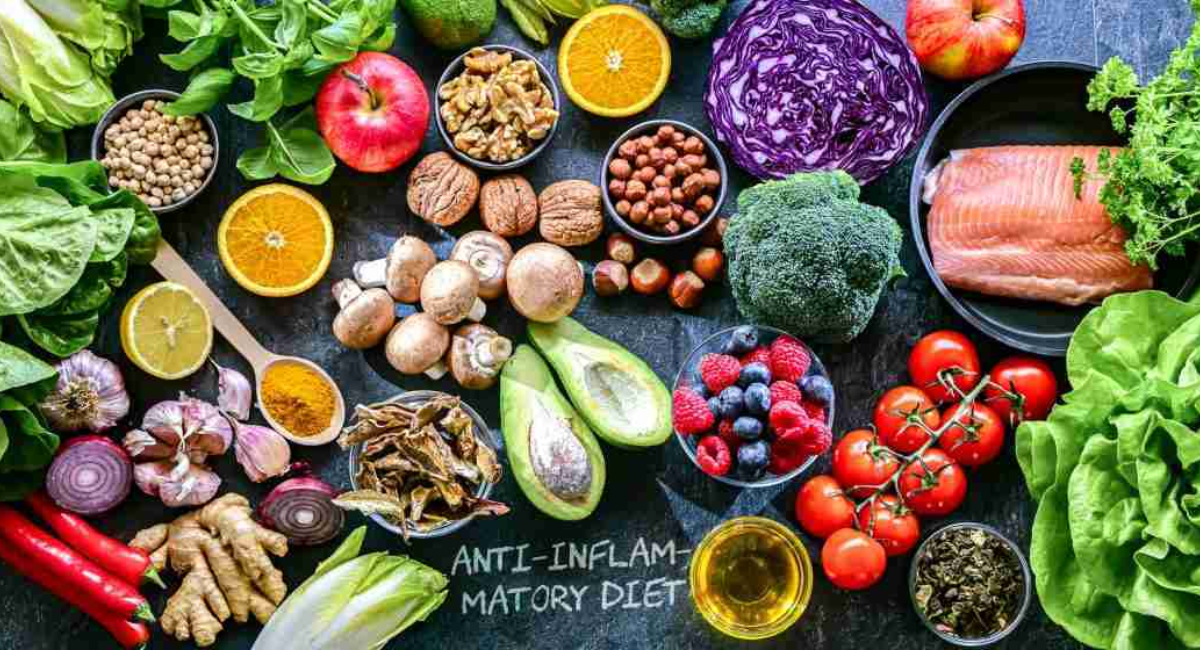
Everyday Anti-Inflammatory Foods That Support Heart Health
Below are foods that are commonly enjoyed in American households and easy to include without overthinking.
Fatty Fish
Fish like salmon, trout, sardines, and mackerel have become popular for home cooking, especially for people trying to eat more balanced meals.
They’re appealing because:
- They’re filling without being heavy
- They cook quickly
- They pair well with vegetables and grains
Many people enjoy fish baked with simple seasoning or grilled with fresh sides. It’s a meal that feels complete without needing much effort.
Leafy Greens
Leafy greens are one of the easiest foods to add more often.
Spinach, kale, arugula, and mixed greens are:
- Easy to buy fresh or frozen
- Quick to prepare
- Flexible in both raw and cooked meals
Some people toss them into salads, while others add them to eggs, soups, or pasta dishes. Small additions add up over time.
Berries
Berries are a favorite because they don’t feel like “health food.” They feel like a treat.
Blueberries, strawberries, raspberries, and blackberries:
- Add natural sweetness
- Work well in breakfasts
- Make snacks feel more satisfying
Frozen berries are also a practical choice and last longer, making them convenient year-round.
Olive Oil
Many kitchens slowly shift toward olive oil once people start paying attention to ingredient quality.
It’s commonly used because:
- It has a clean taste
- A little goes a long way
- It works well in both cold and warm dishes
Drizzling olive oil over vegetables or using it for light cooking is a simple habit that fits into everyday meals.
Nuts and Seeds
Nuts and seeds are easy to keep on hand and require almost no preparation.
Popular choices include:
- Almonds
- Walnuts
- Chia seeds
- Flaxseeds
People often add them to salads, yogurt, oatmeal, or enjoy them as snacks. They help meals feel more filling without adding processed ingredients.
Whole Grains
Whole grains have always been part of traditional eating, and they’re making a strong comeback.
Oats, brown rice, quinoa, and whole wheat products:
- Feel more satisfying than refined grains
- Work well in meal prep
- Are affordable and accessible
Switching to whole grains is one of the easiest long-term changes many people stick with.
Avocados
Avocados have earned their place in everyday meals.
They’re loved because:
- They’re creamy and filling
- They replace heavier spreads
- They work in simple or creative dishes
From toast to salads to bowls, avocados add comfort and balance.
Tomatoes
Tomatoes are used in countless home-cooked meals.
They’re:
- Easy to cook with
- Flavorful without extra seasoning
- Available fresh, canned, or cooked
They form the base of many comforting dishes people already enjoy.
Green Tea
Green tea has become a popular daily drink for people reducing sugary beverages.
It’s:
- Light and refreshing
- Easy to drink regularly
- A calming habit
Many people enjoy it hot in the morning or iced during warmer months.
Beans and Legumes
Beans are practical, filling, and versatile.
They’re commonly used because:
- They’re budget-friendly
- They work in many cuisines
- They store well
Beans fit easily into soups, salads, and bowls, making them a reliable option.
How Meals Come Together Matters
Instead of focusing on individual foods, many people find success by building balanced plates.
A typical balanced plate includes:
- Plenty of vegetables
- A source of healthy fat
- Protein from fish, plants, or lean sources
- Simple seasonings
This approach keeps meals enjoyable and realistic.
Cooking Styles That Support Heart-Friendly Eating
Cooking methods can quietly shape how meals feel.
Many people prefer:
- Baking instead of deep frying
- Grilling for flavor
- Light sautéing
- Air frying for convenience
Simple cooking keeps meals lighter and easier to enjoy regularly.
Making This Way of Eating Feel Normal
The key to long-term success is not making food stressful.
Helpful habits include:
- Planning meals loosely, not strictly
- Keeping simple ingredients available
- Allowing flexibility for busy days
Food should fit life—not fight it.
Final Thoughts
Anti-inflammatory foods are not a trend or a rulebook. They’re everyday foods people have eaten for years. When meals are built around whole ingredients, healthy fats, and balance, heart-friendly eating becomes natural rather than forced.
Over time, small choices repeated consistently tend to matter more than dramatic changes. A comfortable, enjoyable way of eating is usually the one people keep—and that’s what truly supports long-term wellness.