Cookware is something most people use every single day without giving it much thought. Pots, pans, and baking dishes become part of routine cooking, quietly shaping how meals turn out and how enjoyable cooking feels. In recent years, many home cooks across the United States have started paying closer attention to what their cookware is made from—not out of fear or trends, but because they want a cleaner, simpler kitchen setup that feels good to use long term.
Non-toxic cookware has become a popular topic for one main reason: people want tools that feel safe, durable, and comfortable to cook with every day. This isn’t about perfection or replacing everything at once. It’s about understanding options and choosing cookware that fits naturally into real life.
This article is written in a fully human, lifestyle-blog tone. No technical jargon, no scary claims, and no pressure. Just a clear, practical look at non-toxic cookware options that work well for healthy home cooking.
A Simple Way to Think About Non-Toxic Cookware
Non-toxic cookware doesn’t mean “special” or complicated. It simply refers to cookware made from materials that feel stable, durable, and reliable during everyday cooking.
Many people notice that some cookware wears down quickly, scratches easily, or starts to feel unreliable over time. Others last for years and feel better the longer you use them. That’s often where material choice matters most.
A practical approach to non-toxic cookware is:
- Choose sturdy, long-lasting materials
- Avoid coatings that chip or peel easily
- Use cookware the way it’s intended
When cookware feels solid and dependable, cooking becomes more enjoyable.
Why Cookware Choice Matters in Daily Cooking
Cookware is used with heat, oils, and food on a regular basis. Over time, people notice differences in how cookware performs.
Those who focus on healthier home cooking often:
- Prefer cookware that lasts longer
- Avoid overly delicate coatings
- Choose simple materials
The goal isn’t to fear cookware—it’s to feel confident using it every day.
Best Non-Toxic Cookware Options for Home Kitchens
Below are cookware types commonly used in American homes that are known for durability, simplicity, and everyday comfort.
Stainless Steel Cookware
Stainless steel is one of the most trusted cookware options.
Why many people choose it:
- Extremely durable
- Doesn’t rely on coatings
- Works for many cooking styles
Stainless steel is often used for sautéing, boiling, simmering, and making sauces. It may take a little practice to learn heat control, but once you do, it becomes a reliable everyday tool.
Cast Iron Cookware
Cast iron has been used in kitchens for generations.
People love cast iron because:
- It lasts for decades
- It handles high heat well
- It improves with use over time
Cast iron works especially well for skillet cooking, baking, and roasting. While it requires basic care, many people enjoy the simplicity of maintaining it.
Enameled Cast Iron
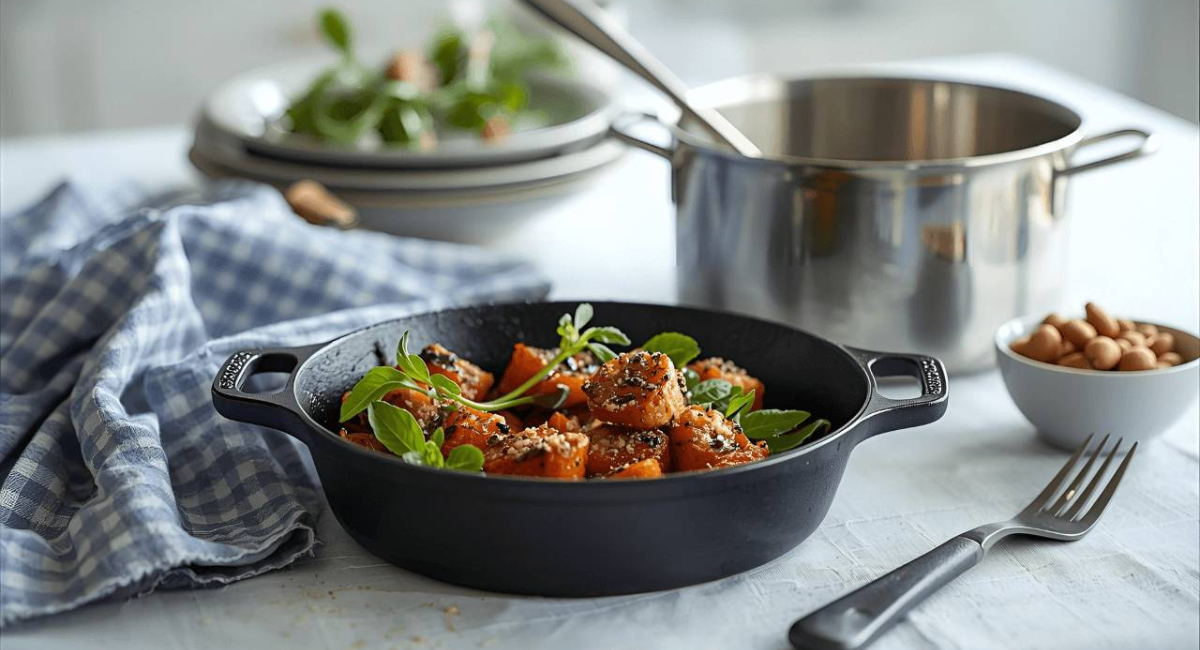
Enameled cast iron offers the benefits of cast iron with added convenience.
Why it’s popular:
- No seasoning required
- Easy to clean
- Great for slow cooking
It’s commonly used for soups, stews, and one-pot meals. The enamel coating makes it user-friendly while keeping the solid feel of cast iron.
Ceramic Cookware (True Ceramic)
True ceramic cookware is different from ceramic-coated pans.
People appreciate it because:
- It’s made from natural materials
- It works well for baking and roasting
- It has a clean, simple feel
Ceramic cookware is often used in ovens rather than on stovetops. It’s ideal for casseroles, baked meals, and serving dishes.
Ceramic-Coated Cookware (Used Carefully)
Ceramic-coated cookware has become popular for its smooth surface.
Why people use it:
- Food releases easily
- Easy to clean
- Lightweight
Many people choose ceramic-coated pans for low to medium heat cooking. Gentle use and avoiding metal utensils help extend their lifespan.
Glass Cookware
Glass cookware is commonly used for baking and storage.
It’s popular because:
- You can see the food while cooking
- It doesn’t react with ingredients
- It’s easy to clean
Glass works well for oven dishes, casseroles, and leftovers. It’s not usually used on stovetops, but it’s a staple in many kitchens.
Carbon Steel Cookware
Carbon steel sits between stainless steel and cast iron.
People like it because:
- It heats quickly
- It becomes naturally non-stick with use
- It’s lighter than cast iron
Carbon steel is often used for frying pans and woks. Like cast iron, it benefits from proper care.
Cookware Materials Many People Choose to Limit
While many cookware options work well, some people prefer to limit cookware that:
- Scratches very easily
- Has coatings that peel
- Doesn’t hold up to regular use
This doesn’t mean throwing everything away. It simply means being mindful when replacing cookware over time.
How to Use Non-Toxic Cookware the Right Way
Even the best cookware performs better with proper use.
Helpful habits include:
- Using the right heat level
- Avoiding metal utensils on coated surfaces
- Letting pans cool before washing
These small habits help cookware last longer and feel better to use.
Do You Need to Replace All Cookware at Once?
Absolutely not.
Many people build their cookware collection slowly:
- Replace one pan at a time
- Start with the most-used item
- Choose quality over quantity
This approach keeps things affordable and stress-free.
Best Cookware for Different Cooking Styles
Different meals work better with different cookware.
For everyday cooking:
- Stainless steel
- Cast iron
For slow meals and soups:
- Enameled cast iron
For baking and roasting:
- Ceramic
- Glass
For quick stir-fry or eggs:
- Carbon steel
- Ceramic-coated pans
Matching cookware to cooking style makes cooking easier.
Cleaning and Caring for Non-Toxic Cookware
Proper care helps cookware last longer.
Simple care tips:
- Hand wash when possible
- Avoid sudden temperature changes
- Store carefully to prevent scratches
Cookware that’s cared for properly often performs better over time.
Making Non-Toxic Cookware Part of Everyday Life
Non-toxic cookware should feel normal, not stressful.
Helpful mindset shifts:
- Focus on durability, not trends
- Choose what fits your cooking habits
- Keep things simple
Cooking should feel comfortable and enjoyable—not complicated.
Final Thoughts
Choosing non-toxic cookware for healthy home cooking doesn’t require replacing your entire kitchen or following strict rules. It’s about understanding materials, choosing durability, and using cookware that feels reliable day after day. Stainless steel, cast iron, ceramic, glass, and carbon steel have been trusted in home kitchens for generations—and they continue to work well today.
Over time, small choices like upgrading one pan or caring for cookware properly can quietly improve your cooking experience. When your tools feel solid and dependable, cooking becomes easier, more enjoyable, and more sustainable. And that’s what truly supports healthy home cooking in the long run.