Eating well isn’t just about one meal, one week, or one diet. It’s about building habits that naturally support energy, comfort, and balance over the long term. Many people across the United States are realizing that sustainable eating is less about perfection and more about patterns—small, consistent choices that feel realistic and enjoyable.This article is written in a fully human, lifestyle-blog tone. There are no medical claims, no authority references, and no complicated rules. It’s meant for people who shop at regular grocery stores, cook at home, eat out sometimes, and want practical ways to make food work for them.
A Simple Way to Think About Healthy Eating
Healthy eating isn’t about strict rules or cutting out entire food groups. Most people notice that meals built with whole ingredients tend to feel lighter, more satisfying, and easier to digest. Over time, consistent habits matter far more than occasional extremes.Meals that rely heavily on processed foods, sugary drinks, or heavy sauces can leave people feeling sluggish. On the other hand, meals built with vegetables, fruits, whole grains, lean proteins, and healthy fats often provide steady energy and a sense of balance.
Healthy eating is really about:
- Choosing whole foods more often
- Cooking meals at home when possible
- Listening to your body’s signals
- Building habits that are flexible and sustainable
Why Habits Matter More Than Perfection
Long-term wellness comes from repeated patterns rather than individual meals. People who focus on habits instead of perfection often notice:
- Improved energy and comfort after meals
- Easier digestion
- More consistent satisfaction with meals
It’s the small, repeated choices that eventually become natural and effortless.
Key Healthy Eating Habits to Incorporate
Below are everyday habits that support long-term wellness and make meals more enjoyable. They’re simple, realistic, and don’t require extreme planning.
1. Cook More Meals at Home
Home cooking is one of the most powerful habits for wellness.
Why it helps:
- You control ingredients and portions
- Meals can be built around balance, not trends
- Cooking becomes a creative, enjoyable routine
Even starting with a few home-cooked meals a week can make a noticeable difference over time.
2. Keep Ingredients Simple and Versatile
Simple ingredients make meal prep easier and meals more satisfying.
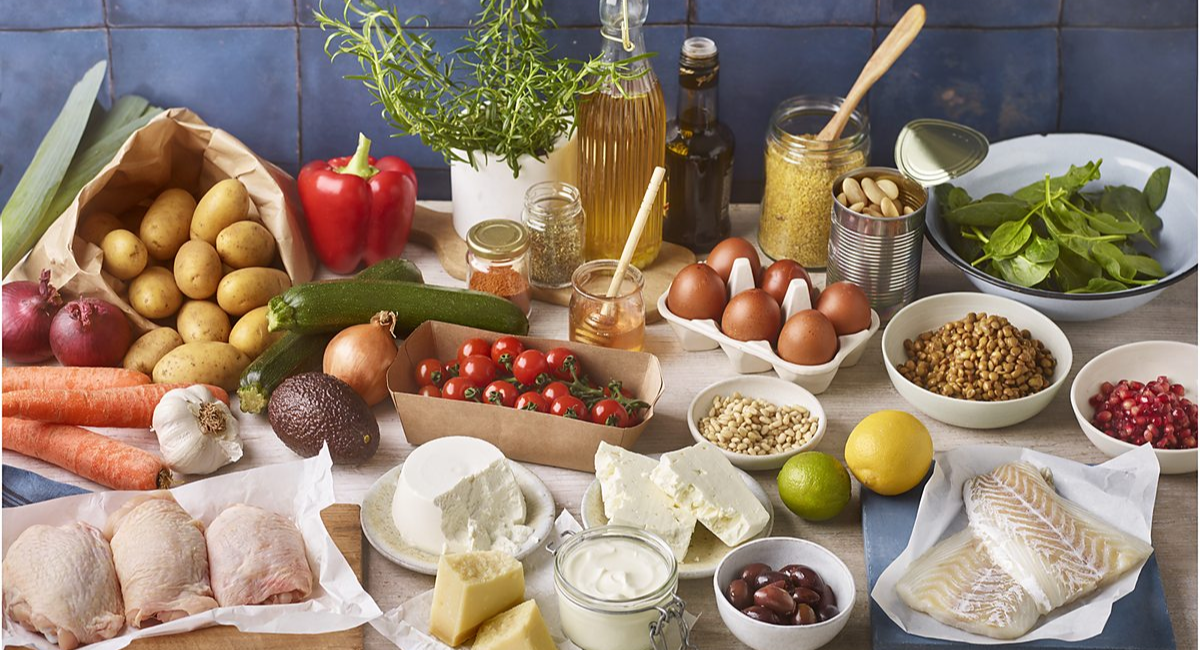
Common staples:
- Vegetables (fresh or frozen)
- Whole grains like rice, oats, or quinoa
- Lean proteins like fish, eggs, or beans
- Healthy fats like olive oil, avocado, nuts, and seeds
These ingredients can be used in multiple meals without feeling repetitive.
3. Include Vegetables in Every Meal
Vegetables provide fiber, color, and variety.
Tips for including more vegetables:
- Add spinach or kale to eggs or smoothies
- Roast a variety of vegetables for lunch or dinner
- Snack on raw veggies with hummus or yogurt dip
Even small additions can add up and improve satisfaction.
4. Eat Balanced Meals
A balanced meal typically includes:
- A source of protein (fish, poultry, beans, or eggs)
- Vegetables or fruits
- Whole grains or starchy vegetables
- Healthy fats
This combination keeps meals filling and helps prevent energy crashes.
5. Prioritize Fiber and Whole Foods
Fiber-rich foods like vegetables, fruits, legumes, and whole grains support steady energy and digestive comfort.
Tips to add more fiber:
- Swap refined grains for whole grains
- Add beans or lentils to soups and salads
- Include fruit with breakfast or snacks
Over time, fiber-rich meals feel naturally satisfying.
6. Mindful Eating
Mindful eating means paying attention to your body while you eat.
Helpful habits:
- Eat slowly and savor flavors
- Notice hunger and fullness cues
- Avoid distractions like phones or TV when possible
Mindful meals often lead to better digestion and more satisfaction with less food.
7. Drink Plenty of Water
Hydration supports digestion, energy, and overall comfort.
Practical tips:
- Keep a water bottle nearby
- Flavor water with lemon or cucumber
- Drink water before meals for gentle appetite regulation
Hydration doesn’t have to be complicated—it’s just part of the daily routine.
8. Plan Flexibly, Not Strictly
Rigid meal planning can feel stressful and hard to maintain.
Flexible planning works better:
- Make a rough outline for meals
- Prep ingredients ahead of time
- Swap meals or ingredients as needed
This approach keeps eating consistent without pressure.
9. Include Healthy Snacks
Healthy snacks prevent overeating and help keep energy steady.
Good snack options:
- Fresh fruit or berries
- Nuts and seeds
- Yogurt or cottage cheese
- Vegetables with dip
Snacks can feel indulgent while still supporting balance.
10. Allow Occasional Treats
No sustainable habit is perfect. Allowing occasional treats keeps eating enjoyable.
- Enjoy small portions of favorite foods
- Focus on moderation rather than restriction
- Combine treats with balanced meals when possible
This approach prevents feelings of deprivation.
Building Meals That Work for Life
Instead of chasing “perfect” meals, focus on meals that feel realistic, satisfying, and balanced. Many people find success by repeating simple, reliable patterns:
- Breakfast: whole grains, protein, fruit
- Lunch: vegetables, lean protein, grains
- Dinner: vegetables, protein, healthy fats
- Snacks: fruit, nuts, or yogurt
This structure keeps eating effortless while supporting long-term wellness.
Making Healthy Eating Sustainable
The biggest key to success is consistency, not perfection.
Tips to stay on track:
- Introduce one or two habits at a time
- Keep favorite meals and recipes, just adjust balance
- Focus on progress rather than rules
- Enjoy meals and cooking as part of life
Healthy eating should feel natural, flexible, and enjoyable.
Final Thoughts
Healthy eating habits for long-term wellness don’t require strict diets, complicated plans, or giving up favorite foods. It’s about building patterns that feel sustainable, satisfying, and realistic. Whole foods, balanced meals, simple ingredients, and mindful routines are the foundation for meals that support energy, comfort, and long-term health.
Over time, small, repeated choices make a bigger difference than dramatic changes. When meals feel natural and enjoyable, healthy eating becomes something you can maintain—and that’s what truly supports wellness for life.