Living an active lifestyle doesn’t always mean intense workouts or strict routines. For many people, it simply means staying energized throughout the day, feeling strong enough to handle daily tasks, and enjoying meals that keep hunger in check. One of the most common elements people naturally turn to for this kind of balance is protein.
Protein has quietly become a regular part of everyday conversations around food—not as a trend, but as a practical way to build meals that feel satisfying and steady. Whether someone is working long hours, staying active with family, or just trying to avoid constant snacking, protein-rich foods often make daily eating feel more manageable.
This article is written in a completely human, real-life tone. No AI-style wording, no medical talk, no extreme claims. Just simple, everyday foods you can buy at a normal grocery store, cook at home, and enjoy as part of a balanced and active lifestyle.
A Simple Way to Think About Protein in Daily Life
Protein isn’t only for athletes or gym-focused routines. It plays a role in how full you feel, how steady your energy is, and how often you feel the need to snack.
Meals that lack protein can feel incomplete, leaving you hungry again soon after eating. On the other hand, meals that include a reasonable amount of protein tend to feel more satisfying and stable.
A practical approach to protein looks like this:
- Include some protein in most meals
- Choose foods you actually enjoy
- Avoid turning protein into a “rule”
When protein fits naturally into meals, it supports balance without stress.
Why Protein Supports an Active and Balanced Lifestyle
An active lifestyle requires fuel that lasts. Protein helps meals feel more complete, which can support:
- Steadier energy
- Better appetite control
- More satisfying meals
Instead of relying on quick snacks or sugary foods, protein-rich meals help people feel ready for whatever the day brings—work, movement, or rest.
The key is consistency, not excess.
Everyday High-Protein Foods That Fit Real Life
Below are protein-rich foods commonly eaten in American households. These options are familiar, affordable, and easy to prepare without complicated recipes.
Eggs
Eggs are one of the most versatile protein sources.
People enjoy eggs because:
- They’re quick to cook
- They work for any meal
- They pair well with vegetables and grains
Scrambled, boiled, baked, or added to sandwiches, eggs are easy to include without much planning.
Chicken
Chicken remains a staple in many homes.
Why people rely on chicken:
- It’s widely available
- It cooks in many ways
- It fits into different cuisines
Grilled, baked, or shredded into meals, chicken works well for lunches and dinners throughout the week.
Fish
Fish is popular among people looking for lighter, protein-rich meals.
Common choices include:
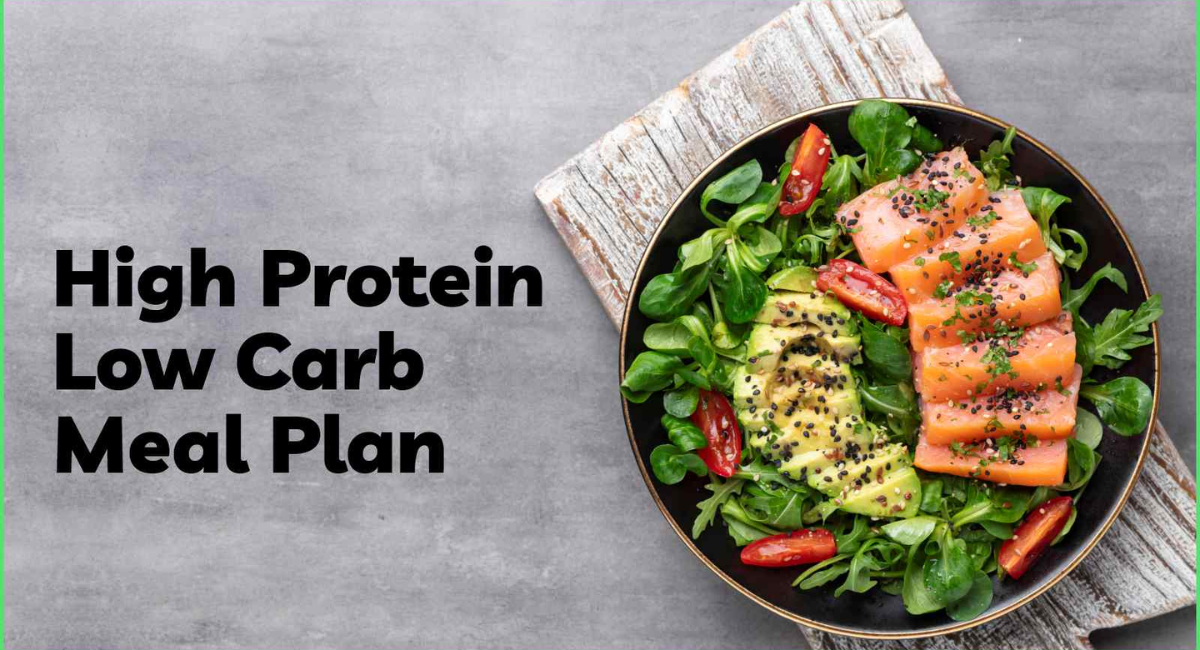
- Salmon
- Tuna
- Cod
- Tilapia
Fish cooks quickly and pairs well with simple sides like vegetables or rice, making it ideal for busy days.
Greek Yogurt
Greek yogurt is a favorite for breakfasts and snacks.
People like it because:
- It’s thick and filling
- It works sweet or savory
- It’s easy to pair with fruit or nuts
Many enjoy it as a morning meal, afternoon snack, or even a base for sauces.
Cottage Cheese
Cottage cheese has made a quiet comeback.
It’s often enjoyed because:
- It’s simple and filling
- It works well with fruit or vegetables
- It requires no cooking
Some people eat it on its own, while others add it to toast or bowls.
Beans and Lentils
Plant-based protein options are common in balanced meals.
Popular choices:
- Lentils
- Chickpeas
- Black beans
- Kidney beans
Beans are filling, affordable, and easy to use in soups, salads, and bowls. They provide both protein and fiber, which helps meals feel more satisfying.
Lean Beef and Turkey
Lean meats are often included in active lifestyles.
Common options:
- Lean ground beef
- Turkey breast
They’re frequently used in simple dishes like burgers, bowls, or wraps. Keeping portions reasonable helps meals feel balanced rather than heavy.
Nuts and Seeds
Nuts and seeds add protein along with healthy fats.
Popular options include:
- Almonds
- Walnuts
- Pumpkin seeds
- Chia seeds
They’re easy to keep on hand and work well in snacks, salads, or breakfast bowls.
Tofu and Plant-Based Options
Many people enjoy plant-based proteins for variety.
Common choices:
- Tofu
- Tempeh
- Plant-based protein blends
These foods absorb flavor well and work in stir-fries, bowls, and wraps.
How Protein Fits Into Everyday Meals
Protein doesn’t need to dominate the plate. It simply needs to be present.
A balanced meal often includes:
- A moderate portion of protein
- Plenty of vegetables
- A source of fiber
- Some healthy fat
This combination keeps meals enjoyable and filling.
Cooking Methods That Keep Protein Meals Light
Preparation matters just as much as the food itself.
Many people prefer:
- Baking instead of frying
- Grilling for flavor
- Light sautéing
- Simple seasoning
Heavy sauces and deep frying can make meals feel heavier, while simple cooking keeps food comfortable to eat regularly.
Protein-Rich Snacks That Feel Natural
Snacks don’t need to be large or complicated.
Simple protein-focused snack ideas include:
- Greek yogurt with nuts
- Hard-boiled eggs
- Cottage cheese with fruit
- Hummus with vegetables
These snacks help bridge meals without leading to overeating later.
Making High-Protein Eating Sustainable
The goal isn’t to eat as much protein as possible. It’s to eat enough to feel supported.
Helpful habits include:
- Spreading protein across meals
- Choosing foods you enjoy
- Avoiding all-or-nothing thinking
When protein feels like a normal part of meals, it becomes easier to maintain.
Final Thoughts
High-protein foods play a simple but important role in a balanced and active lifestyle. They help meals feel satisfying, support steady energy, and reduce constant hunger. Eggs, fish, chicken, beans, yogurt, and plant-based options have been part of everyday eating for generations—and they still work today.
Long-term balance doesn’t come from extremes. It comes from meals that feel good, fit into daily routines, and can be repeated without stress. When protein is included naturally and thoughtfully, it supports a lifestyle that feels active, balanced, and realistic.